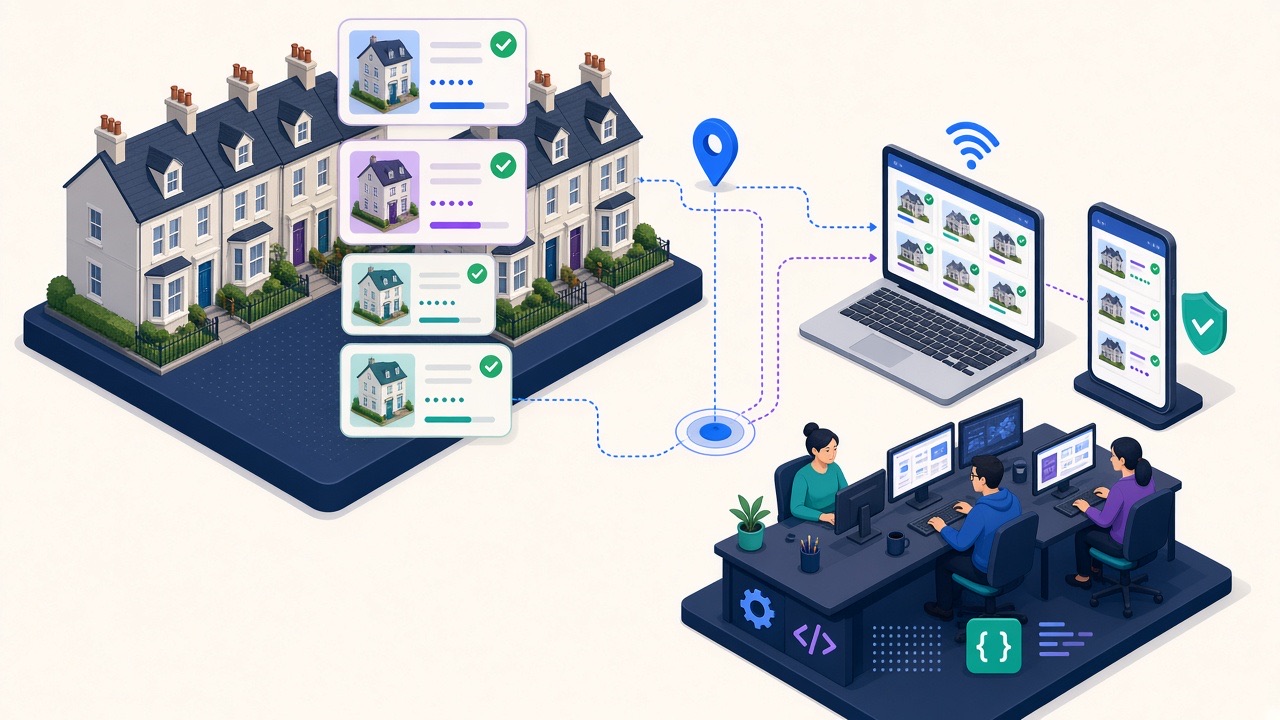

The situation
Clinicians needed one shared answer to who is looking after each patient, what the clinical plan is, and which actions are still outstanding. Paper handover lists did not survive a shift change. Leaders also needed a view of patient flow, not a stack of separate notes.
The constraint
Patient information was shared by invitation, on a restricted clinical network. Access had to follow role and location. Forms had to be definable by the working group for that specialty, because one form does not fit every ward. Availability of colleagues had to sit in the same product, with the same limits, or handover and staffing drifted apart.
How the team was shaped
The record we hold describes the product, not a headcount or a named role mix. A similar programme would be staffed with engineers you interview and approve, working in your repositories. This note does not claim a team shape.
What had to stay true after launch
| Need | Why it mattered |
|---|---|
| Who is looking after the patient | The next shift cannot reconstruct that from paper |
| The clinical plan and outstanding actions | Handover is a plan, not a contact list |
| Specialty-defined forms | Working groups do not share one template |
| Invitation, role, and location limits | A shared list without access control is not safe |
The clinical surface was mobile-first, so it could replace the paper list at the bedside, with a lead view of flow across patients.
What this note does not claim
It does not name a hospital or a health system. It does not publish an outcome percentage, a headcount, or a savings figure. Medical transcription, a separate clinical alert, and mental-health features are not part of this note.

Working through this in your own GCC plan?
We will give a direct answer on a short call.