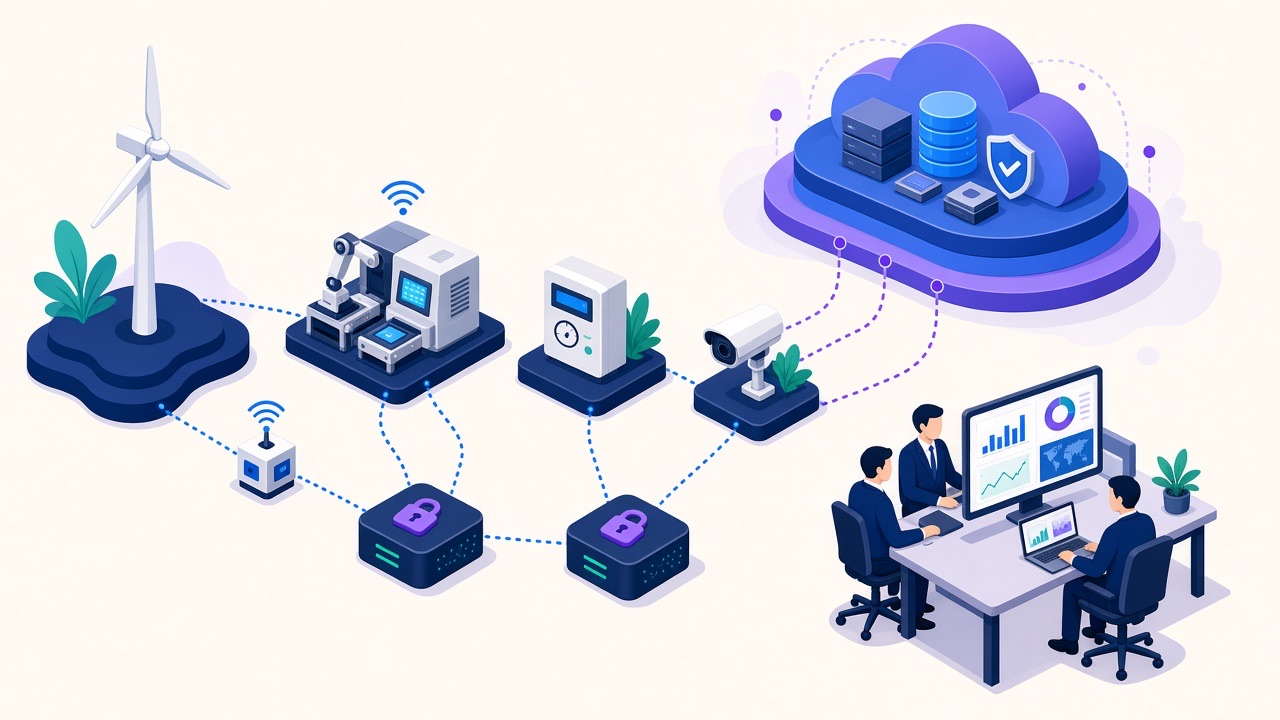
As device counts grow, centralised cloud patterns hit bandwidth cost, privacy exposure, and response time limits. Edge designs record, store, and process near the source so safety-critical or high-volume environments such as factories, smart-city sensors, and fleets can react without waiting on a remote region.
Engineering controls that matter more than gadget demos
Low latency means collect, compute at the edge, and return a decision in near real time. Reliability means heterogeneous sensors and gateways fail gracefully when links drop. Selectivity means you do not ship every raw sample to central storage. Security means decentralised data still has identity, patching, and least privilege. Edge is not automatically safer without that work.
| Need | What breaks without continuity |
|---|---|
| Latency budgets | Demo hardware differs from field networks |
| Selective uplink | Cost and privacy explode without ongoing tuning |
| Node security | Unpatched fleets become the attack surface |
| Ops ownership | Incidents land on whoever is left after go-live |
How this should sit in an India GCC model
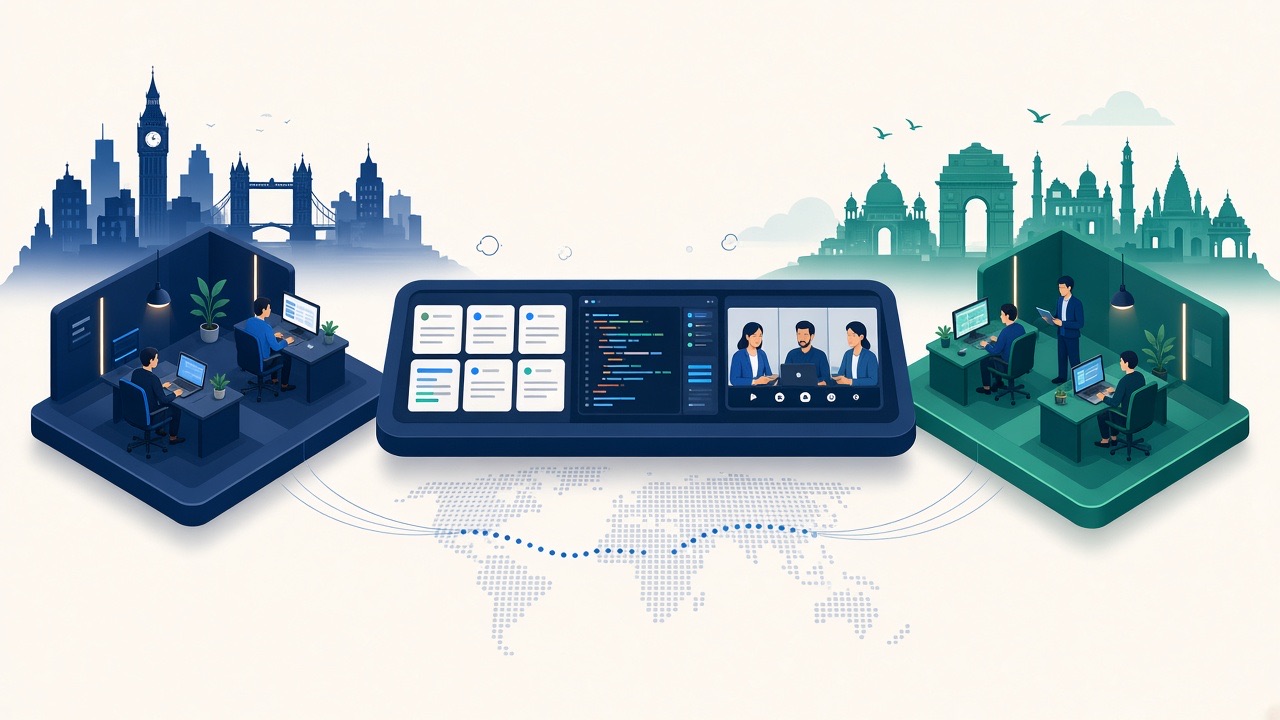
A dedicated India team can own gateway software, cloud control planes, and observability under your architecture standards while you keep product and safety decisions. MedRec employs and houses the engineers; they work in your tools and ceremonies. If the programme later becomes a captive centre, Build Operate Transfer can transfer people and systems, but most IoT platforms need dedicated continuity first.
Use this note as a buying filter: if your RFP only prices seats for a six-month build, ask who owns edge health in year two. That question usually decides between staff augmentation, dedicated GCC teams, and a full India capability centre.
Designing for unreliable connectivity
Field devices live in difficult places: basements, remote sites, moving vehicles, and industrial floors full of interference. Edge systems therefore need to keep working when the connection drops, store data safely until it returns, and sync without creating duplicates or gaps.
Selective uplink is just as important. Sending every raw reading to the cloud is expensive and slow; processing locally and sending only events, summaries, and exceptions keeps costs predictable and responses fast. Deciding what stays at the edge and what travels is one of the most important architectural choices in the programme.
Security at every node
Each device and gateway is a potential entry point. Strong programmes give every node its own identity, encrypt data in transit and at rest, sign firmware so only trusted updates install, and make it possible to revoke a compromised device quickly. These controls are far easier to build in from the start than to retrofit across a deployed fleet.
Updates and fleet operations
Shipping the first version is the easy part. Running a fleet means rolling out updates in stages, monitoring device health, and rolling back safely when something goes wrong. A team that owns operations as well as development learns quickly which failures are common in the field and designs the next release to avoid them.
This is why continuity matters so much for IoT work. The engineers who have seen how devices behave in real sites are the ones best placed to make the platform more reliable. A dedicated team keeps that knowledge in one place instead of losing it at the end of each project phase.

Working through this in your own GCC plan?
We will give a direct answer on a short call.